💡 Installation Pricing Explained
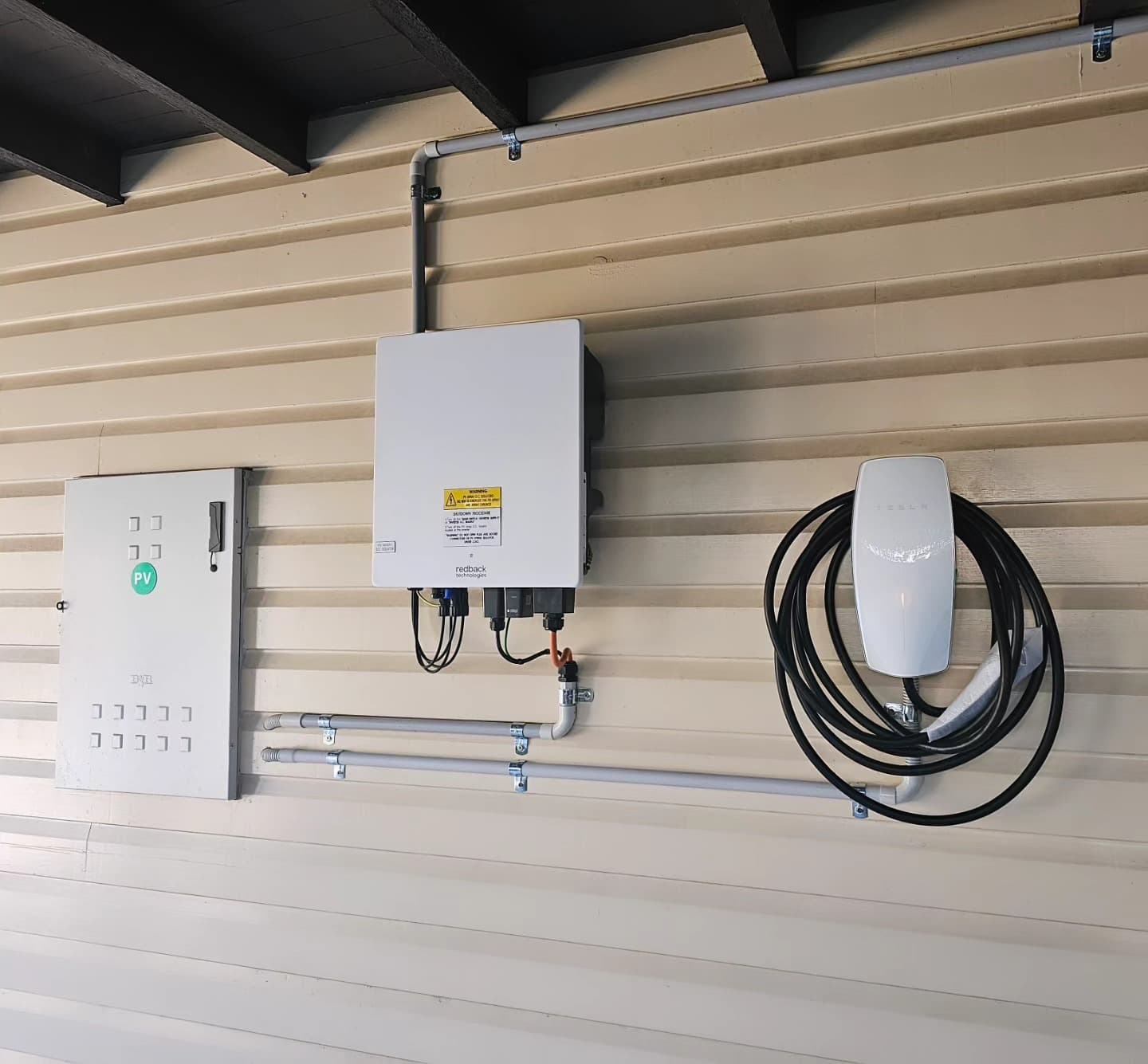
There isn't one price that suits every home. A charger beside a modern switchboard with a short cable route is a very different job from one across a two-storey home, underground, or on a detached garage.
Before recommending anything, we look at how you actually want to charge and what your home's electrical system can safely support.
📏
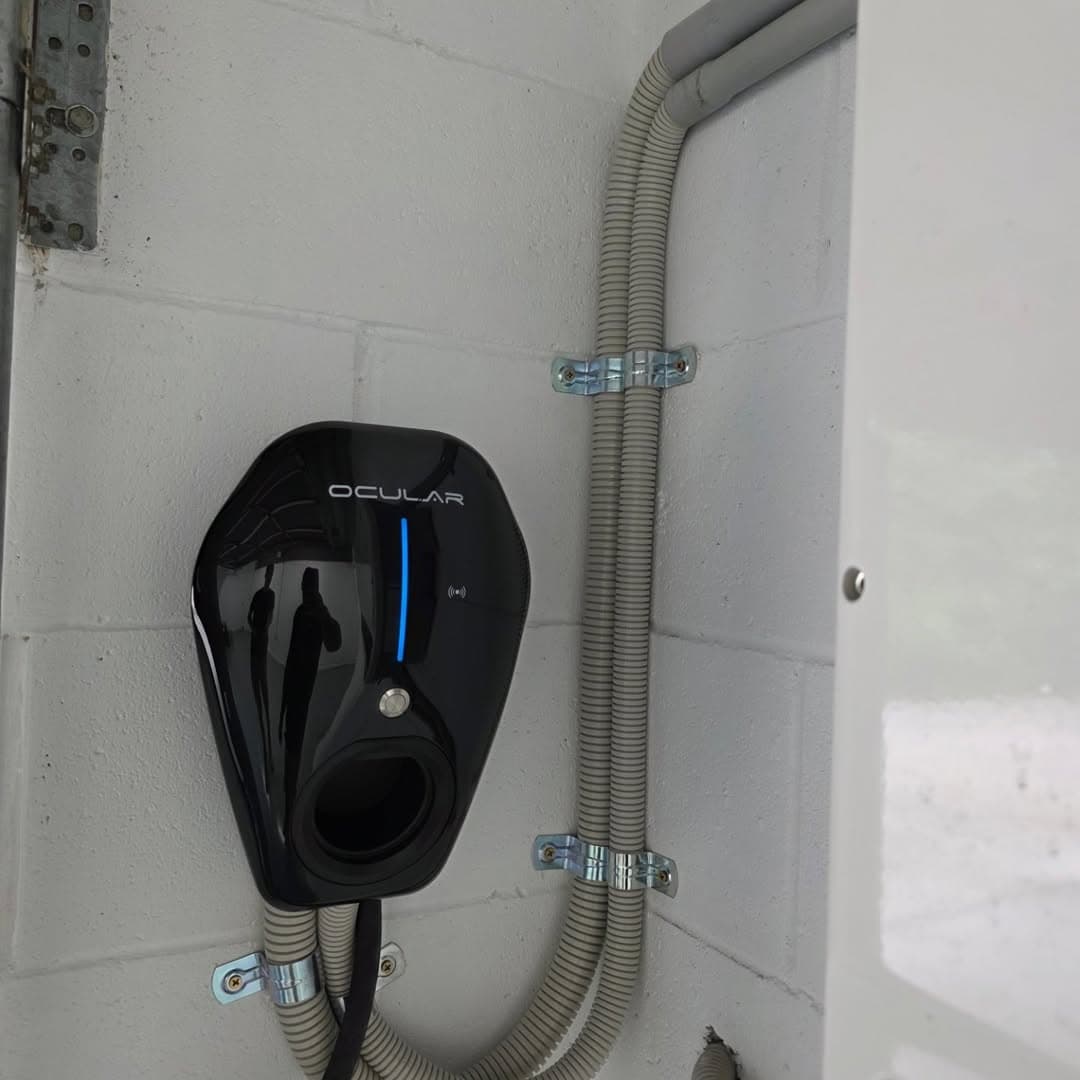
The further the charger sits from the switchboard, the more cable, containment and installation time the job can take.
- —Ceiling spaces and wall cavities
- —External walls and conduit
- —Garages and detached buildings
- —Underground sections
- —Multiple levels
Distance isn't only measured in metres. We also work out how the cable can physically and compliantly reach the charger. Two identical chargers — one beside the board, one twenty metres away — can be very different installations.
The charger may be the same. The installation around it may not be.
🏠
Where the proposed cable route runs through your ceiling, safe and practical access to that space matters.
- —Roof construction and low clearance
- —Insulation and framing
- —Ducted air conditioning in the way
- —Sections that simply can't be reached
A manhole doesn't mean every part of the roof space is reachable. If the required area can't be accessed safely, another compliant route is used instead — external conduit, surface containment, a different internal path or underground. That changes both time and cost.
⚡
A dedicated EV charger becomes one of the larger electrical loads in a home, so the existing board has to be assessed first.
- —Available electrical capacity
- —Existing household loads
- —Switchboard condition and spare space
- —Existing protection and supply arrangement
Some installations are straightforward. Others need additional switchboard space, changes to protective devices, alterations, load management or a supply upgrade. We assess what's there before deciding.
We don't connect a large new load and hope for the best.
🔌
Bigger isn't automatically better — the speed you can actually use depends on several things working together.
- —Single-phase or three-phase supply
- —The charger itself
- —Your vehicle's onboard AC charging limit
- —Available capacity at the property
- —How much driving you actually do
A charger labelled 22kW does not mean every vehicle will charge at 22kW — most are limited by what the car itself accepts. A well-chosen charger suits both the property and the car.
We help you find the speed you can actually use, not the biggest number.
☀️
If you already have solar, the cheapest charger isn't necessarily the right one for how you want to charge.
- —Prioritise excess solar
- —Grid or off-peak charging
- —A mix of solar and grid
- —Scheduled charging
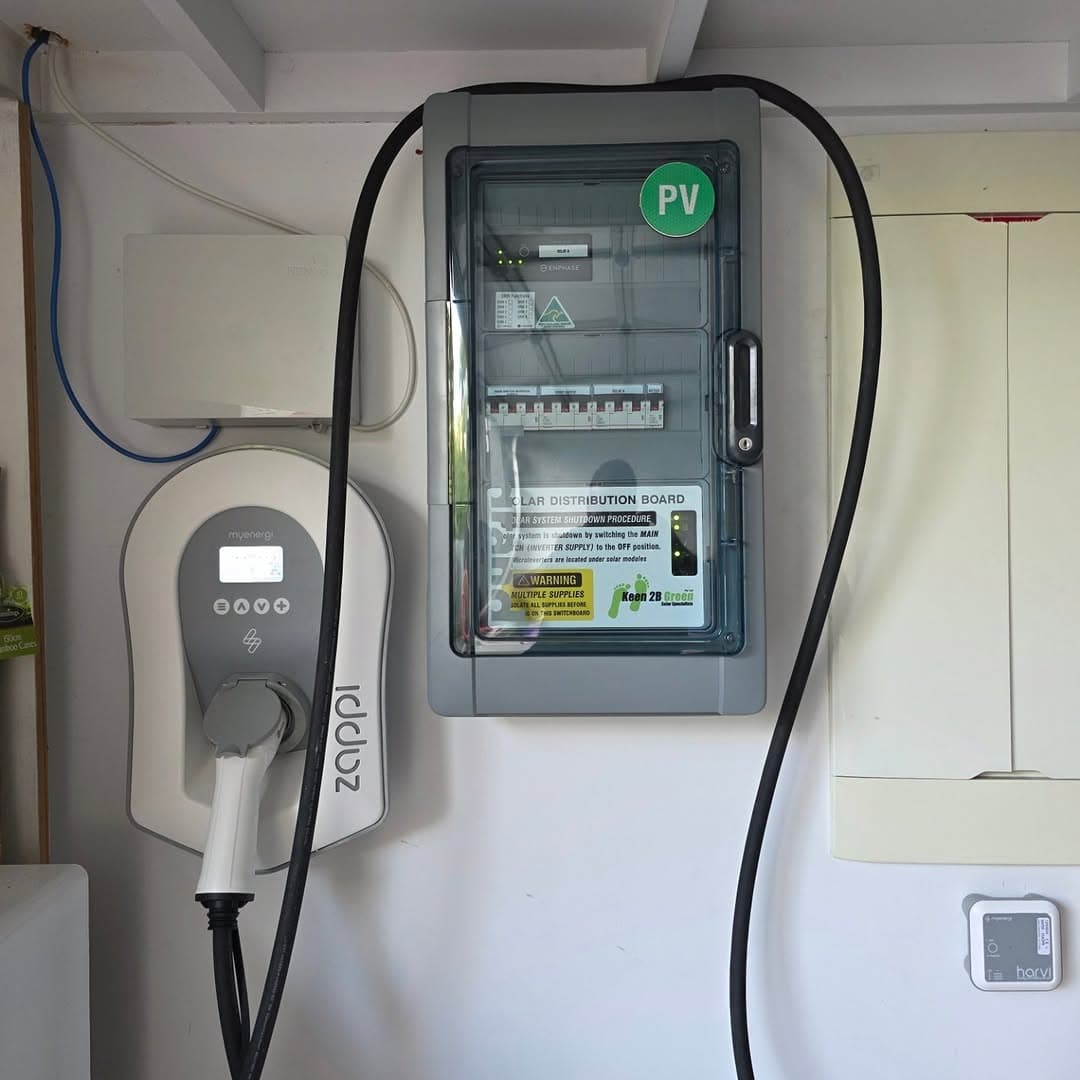
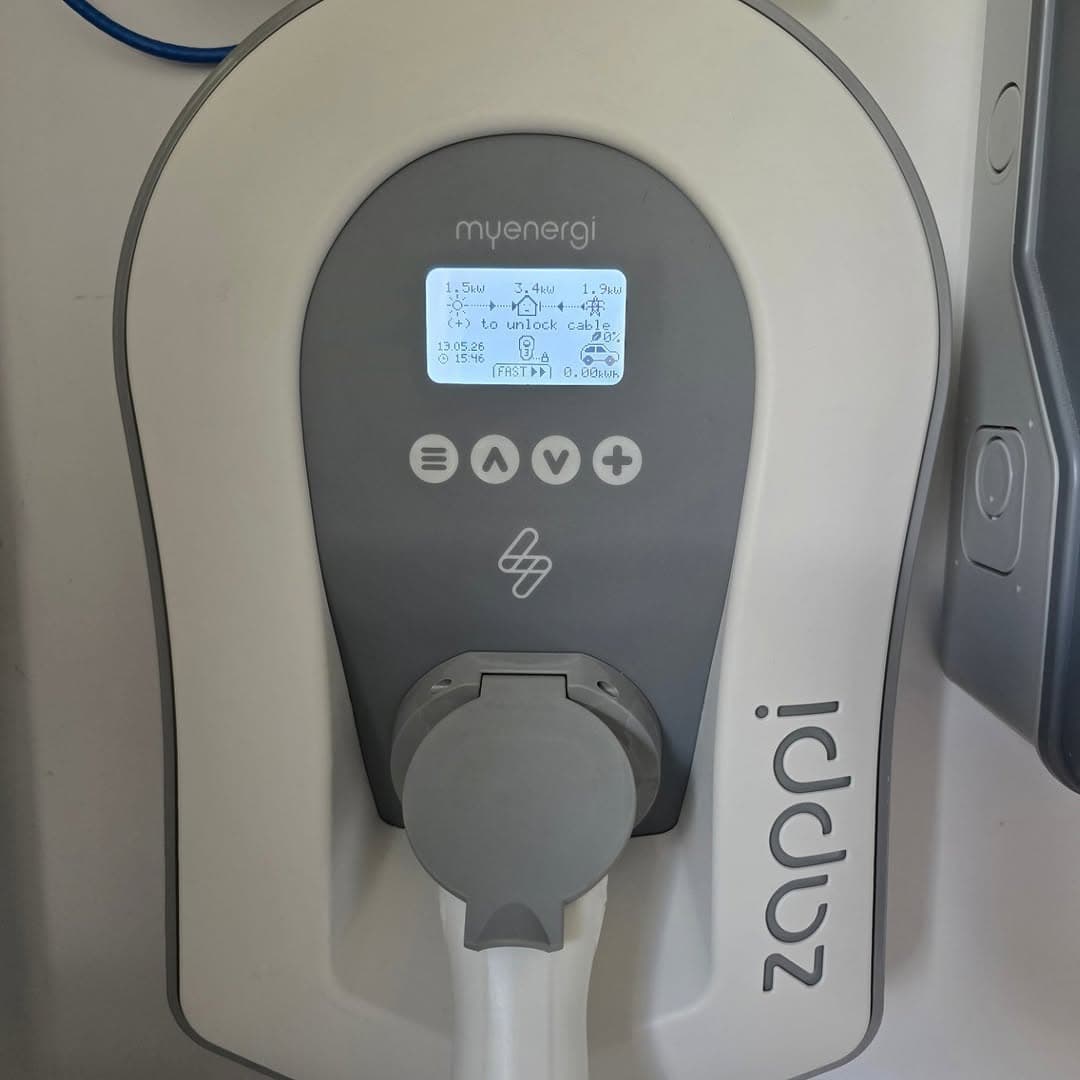
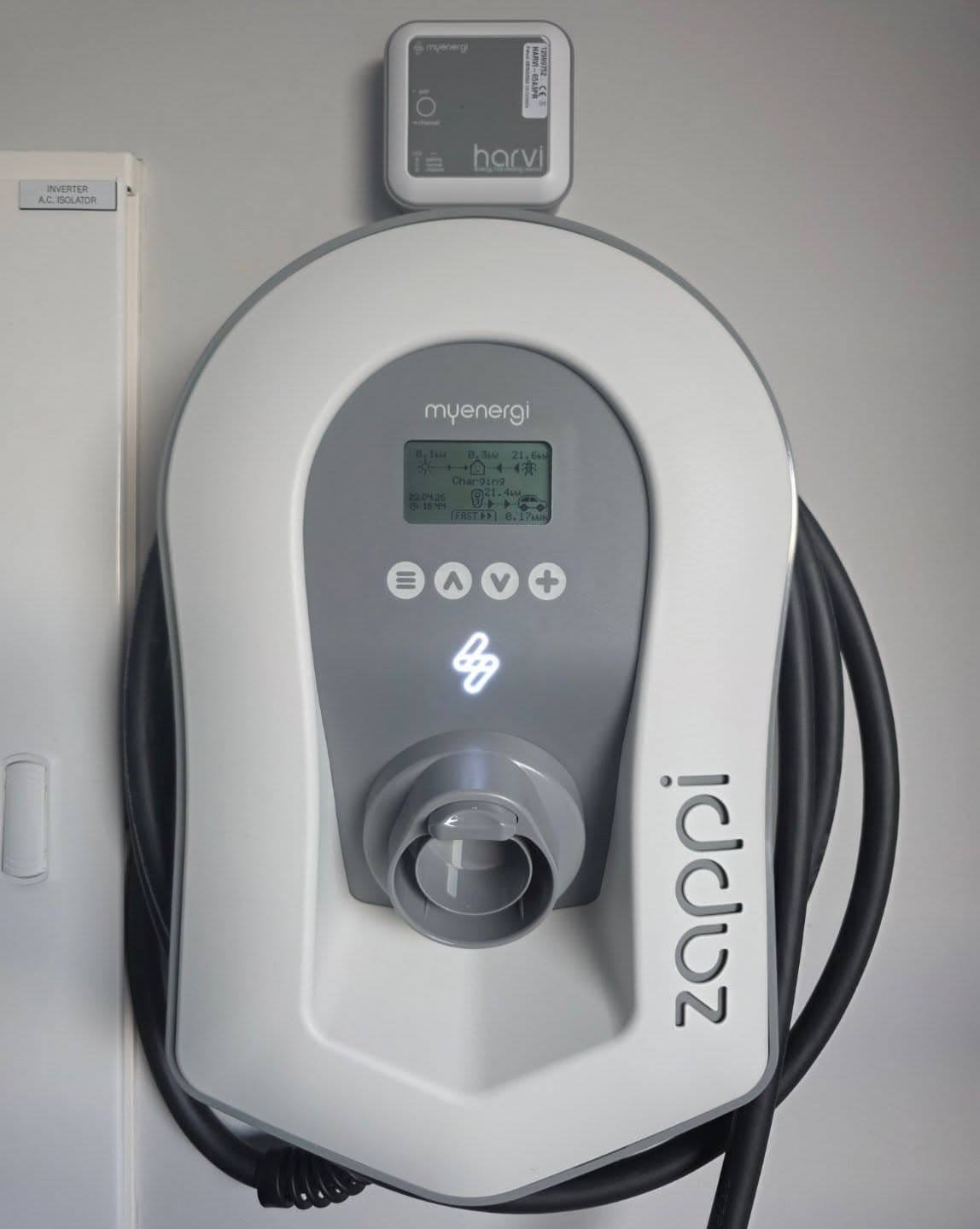
Compatible solar-smart chargers monitor household usage and solar generation, then adjust charging to suit. Depending on the charger, that can need extra equipment — CT monitoring, an energy meter, a gateway or data cabling — which affects the final price.
🧠
Limited spare capacity doesn't automatically mean a major upgrade is the only option.
- —Spare capacity changes through the day
- —Oven, air conditioning and hot water all draw on it
- —Compatible systems can adjust the charging rate to match
A load-management system monitors how much electricity the property is using and adjusts EV charging to the capacity available. As household demand drops, more can become available for the car. Depending on the property and equipment, this may provide a practical solution without oversizing the installation.
It may reduce what's needed — it doesn't always remove the need for an upgrade.
🛡️
The electrical work has to be designed for the actual charger, property and cable route.
- —Dedicated circuit and circuit protection
- —Residual-current protection
- —Conductor selection and isolation
- —Installation method and switchboard capacity
- —Commissioning, and applicable network requirements
Two 7kW installations don't automatically need identical cabling. Cable selection is part of the electrical design — length, voltage drop, installation method, grouping, environment and the manufacturer's own requirements all feed into it.
We select the cable for the installation, not the cheapest one that fits.
📖
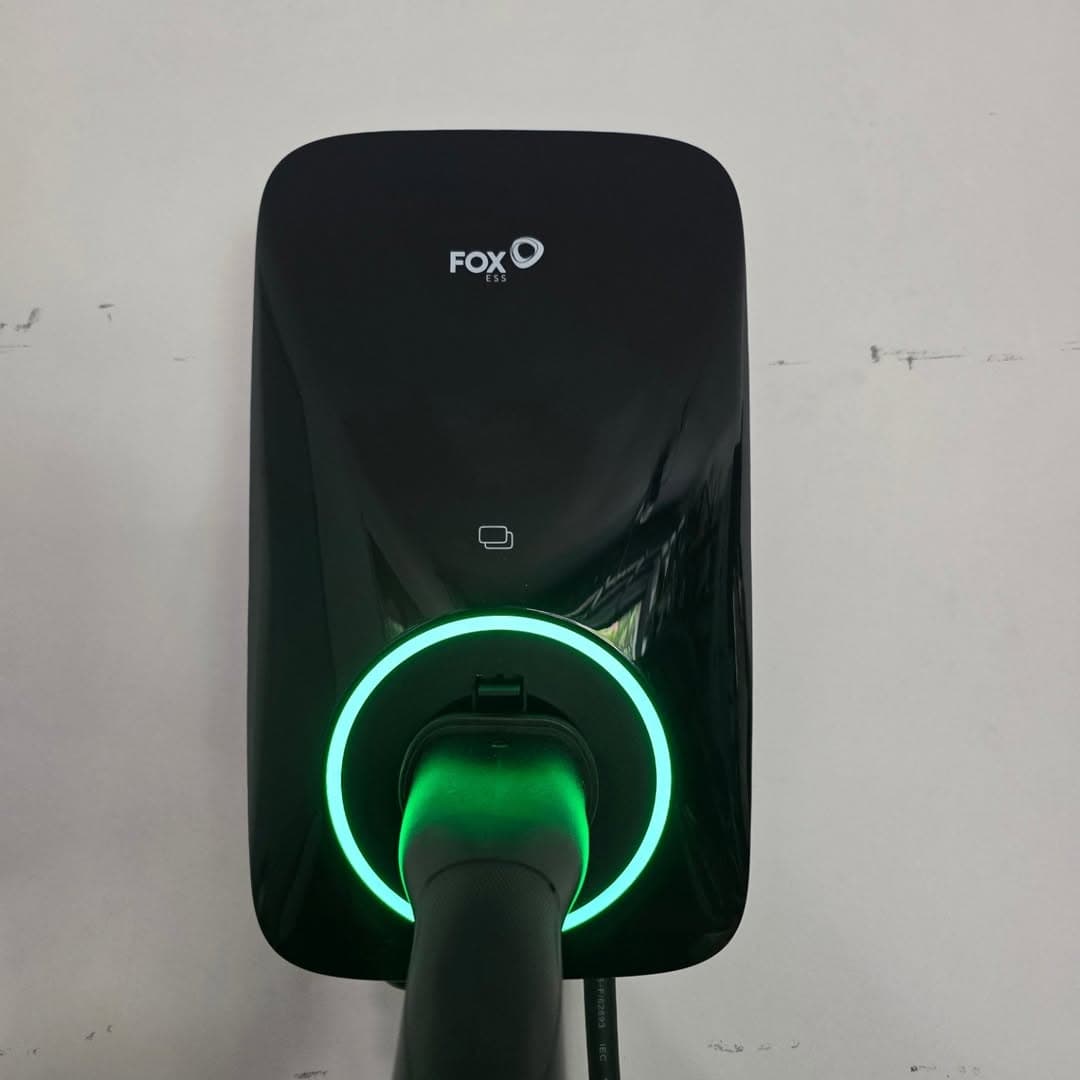
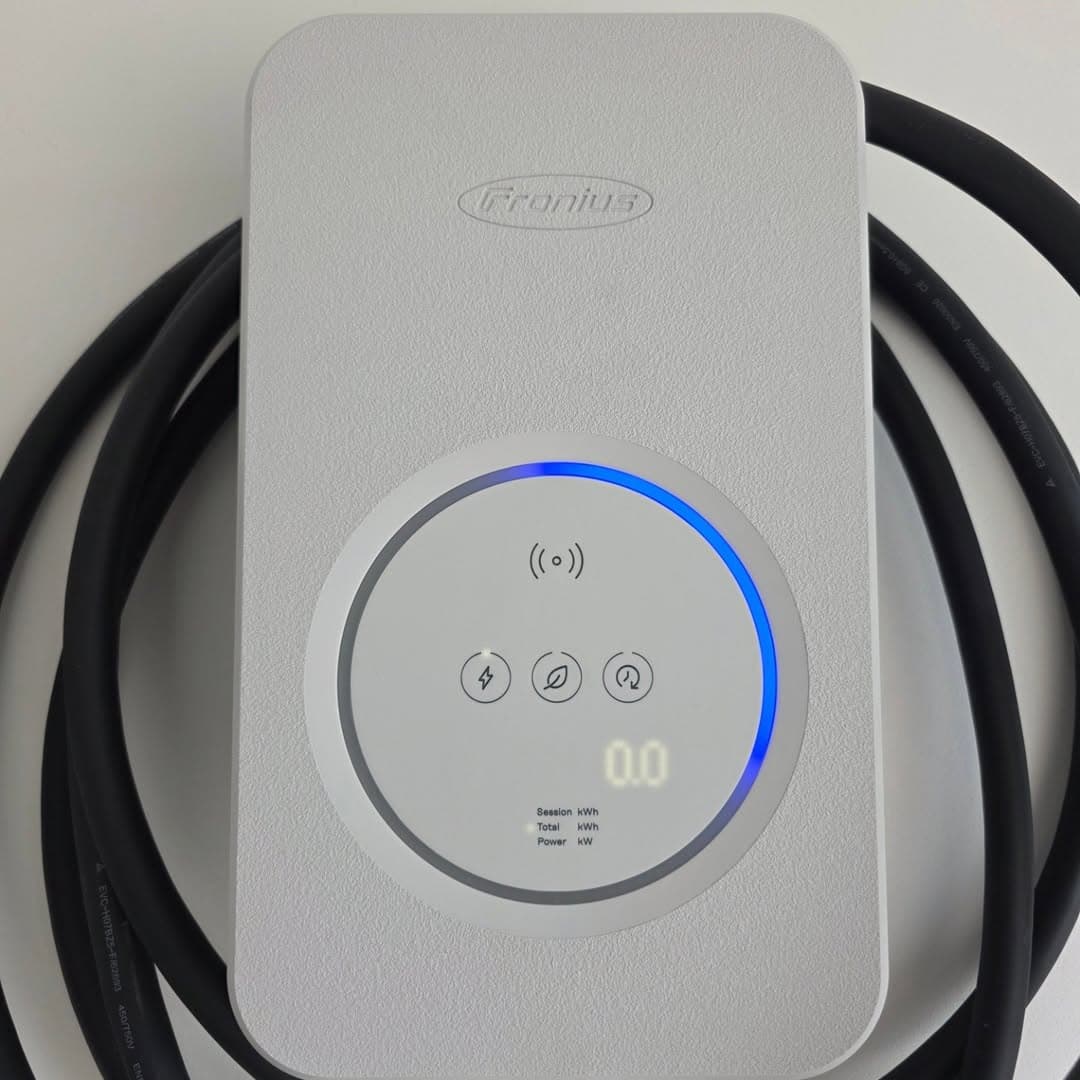
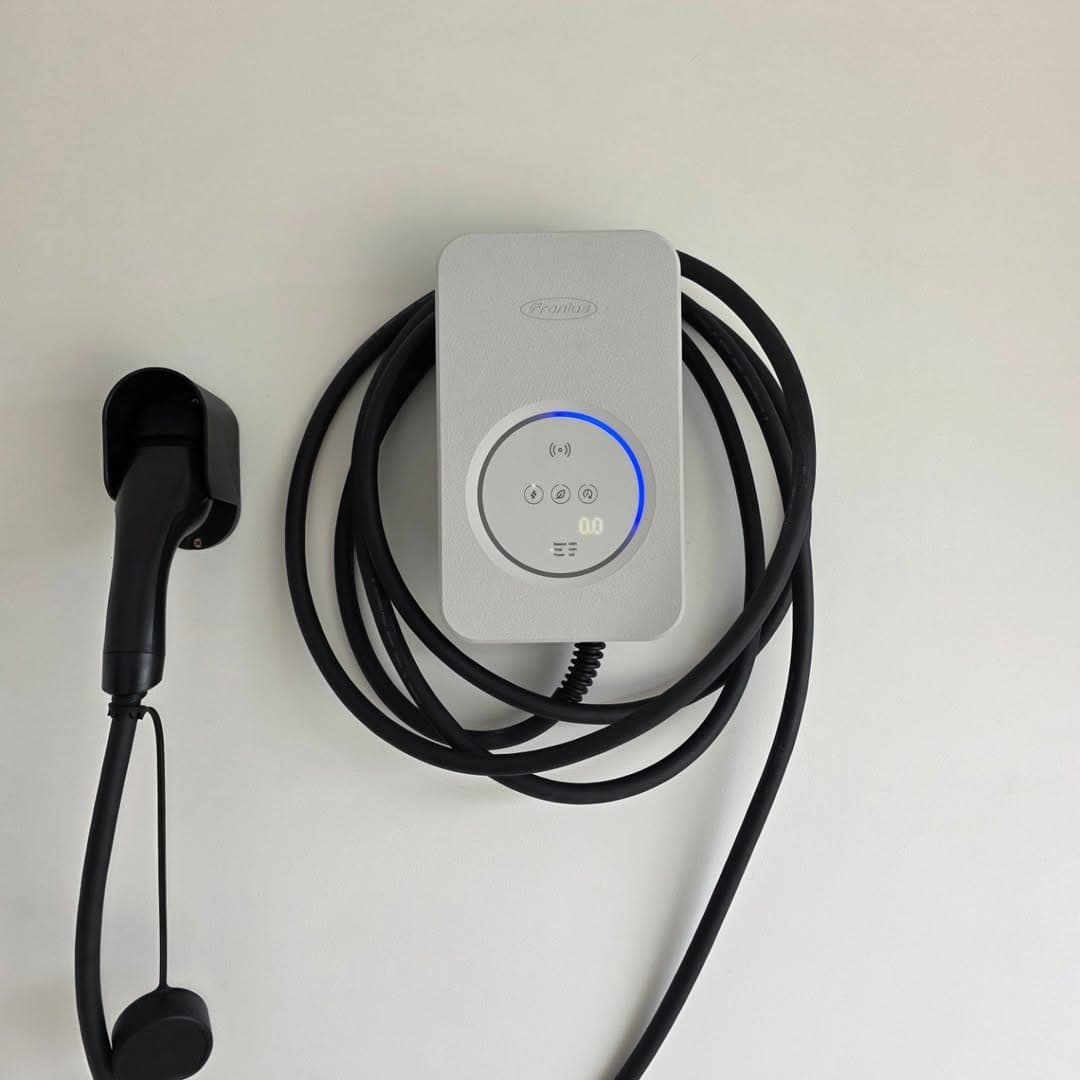
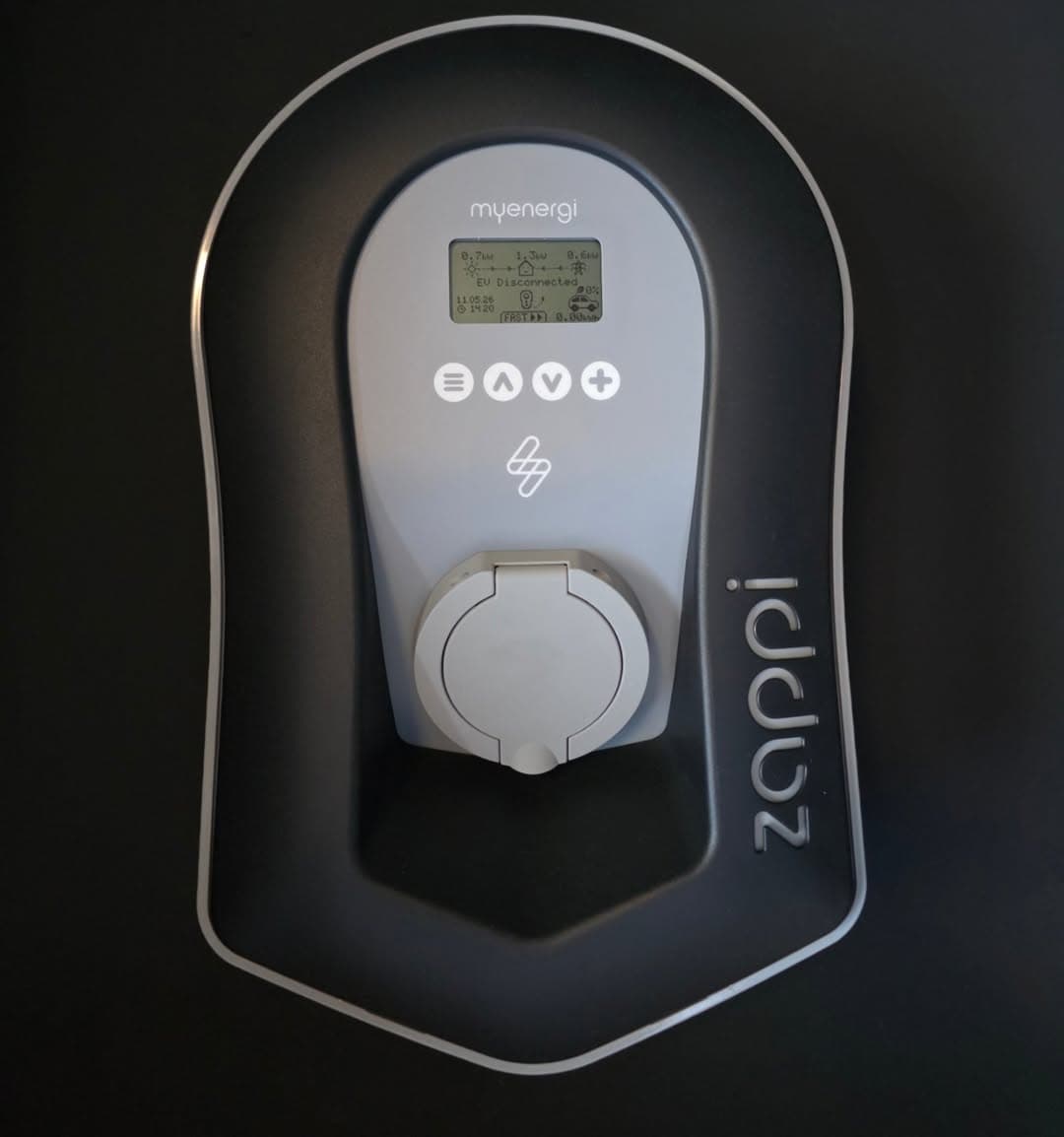
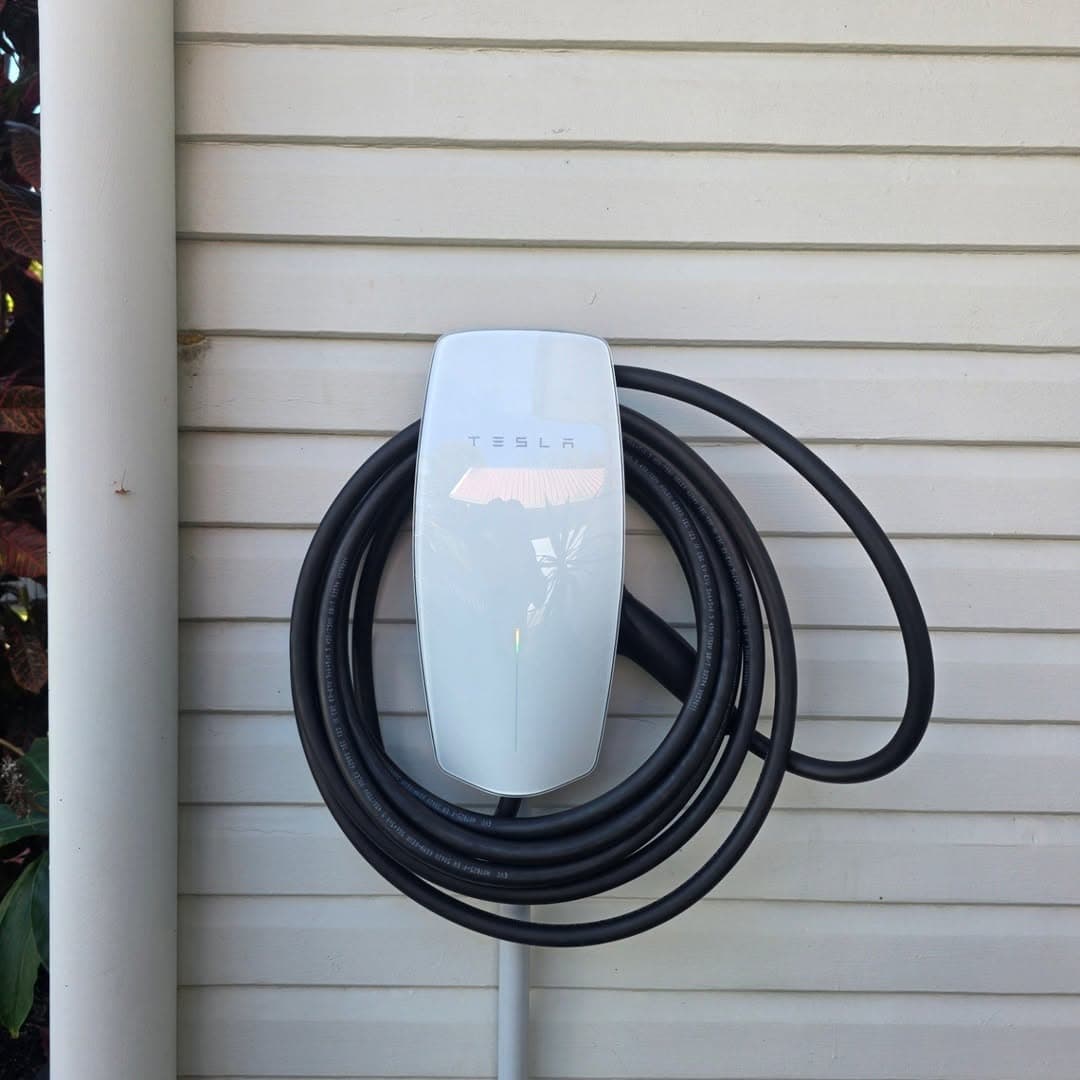
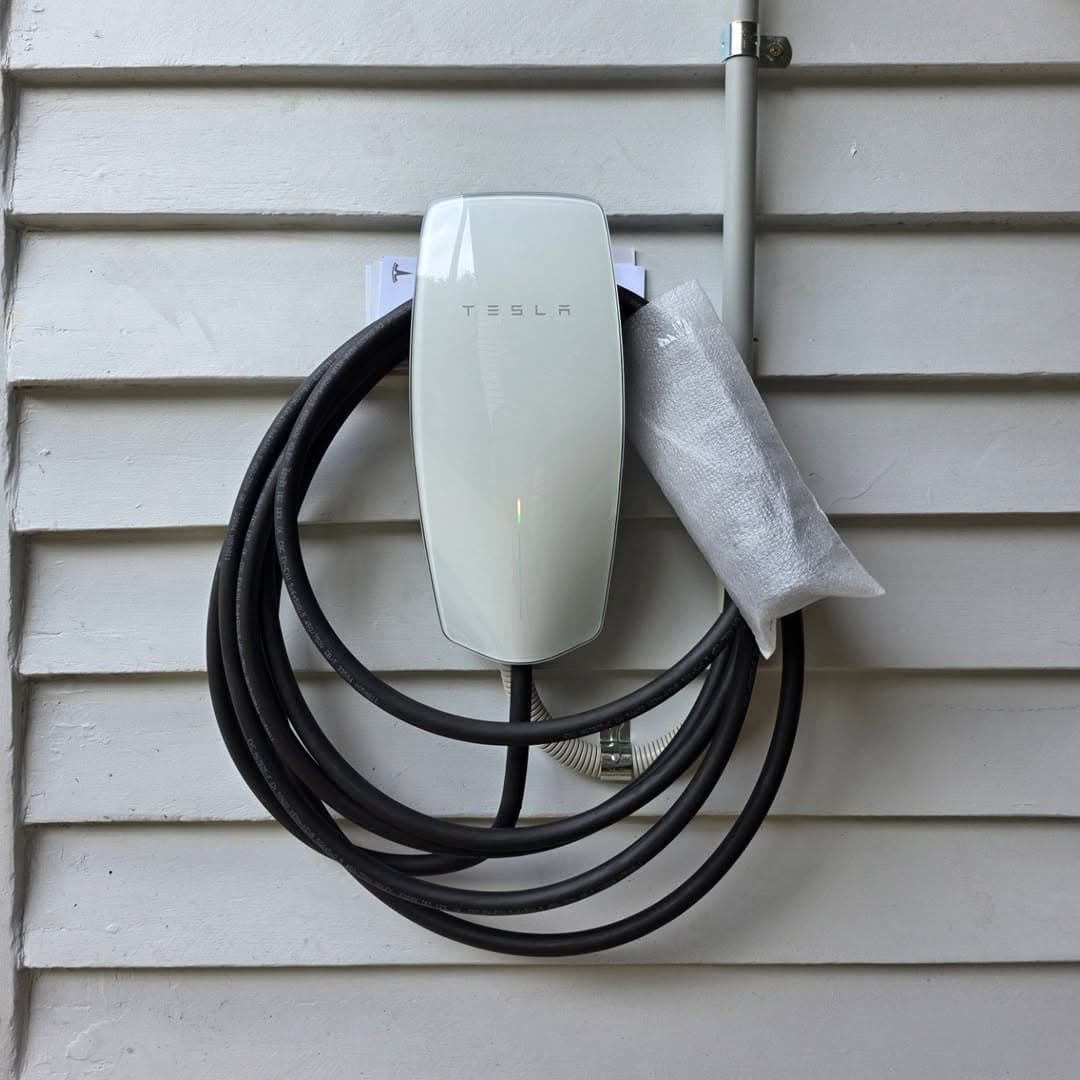
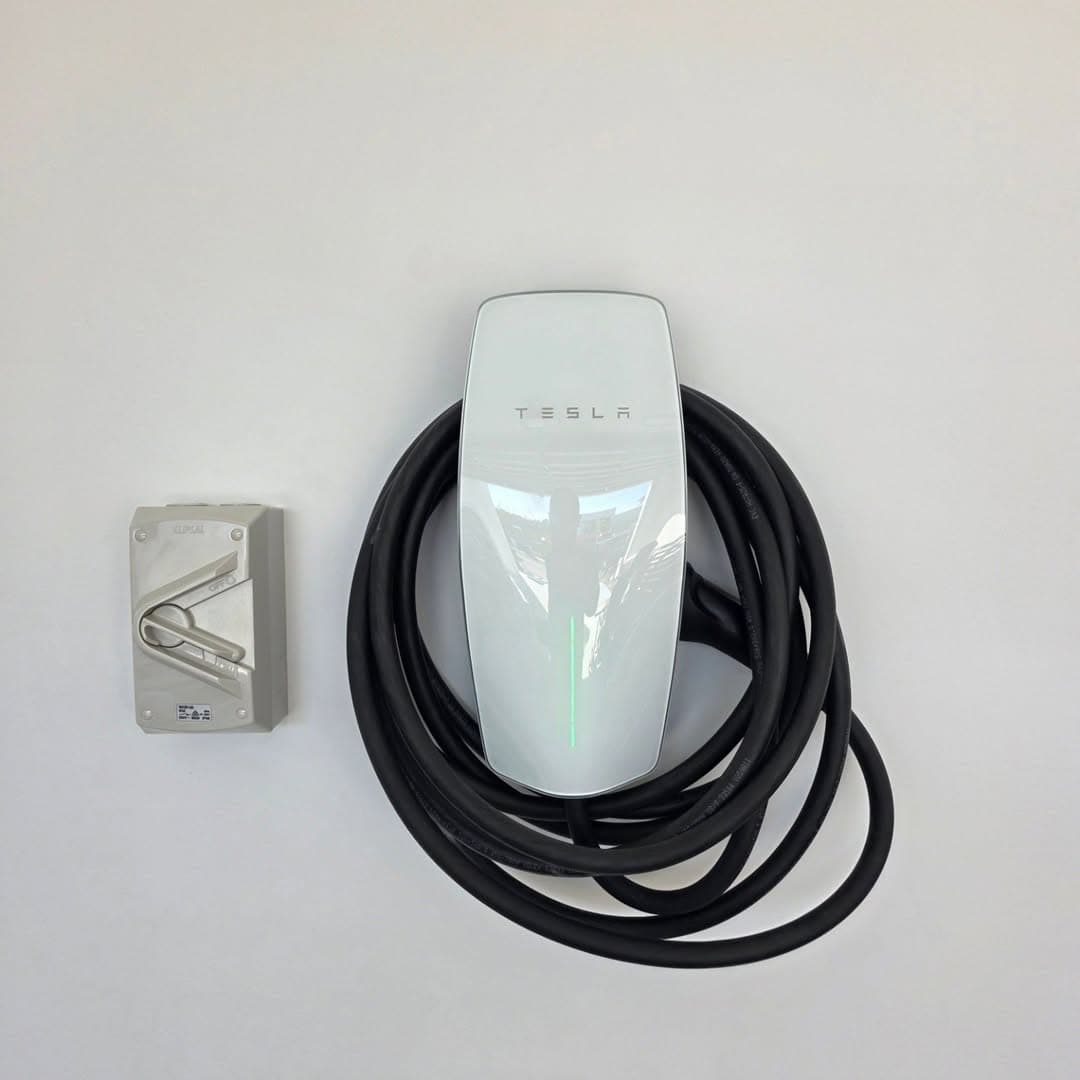
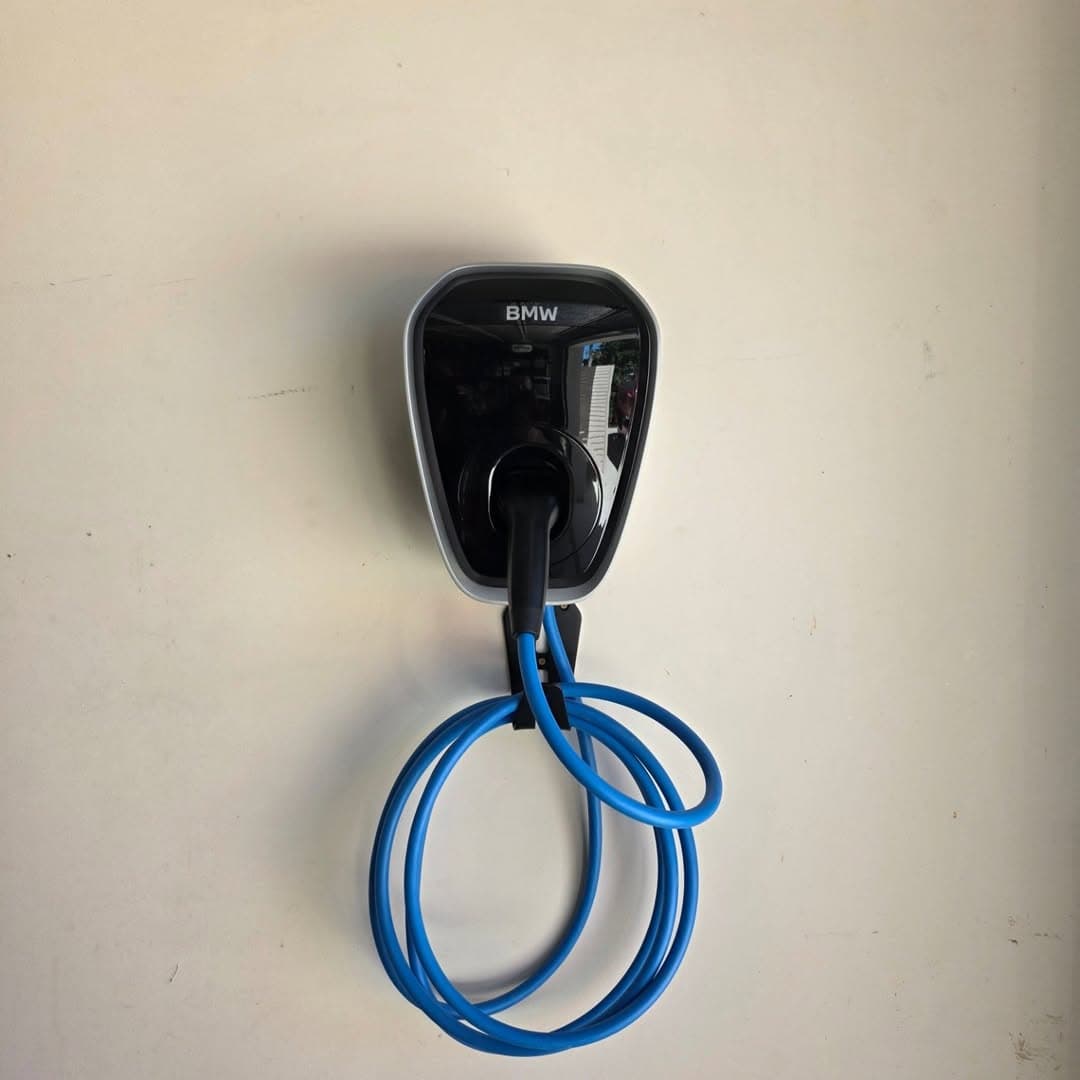
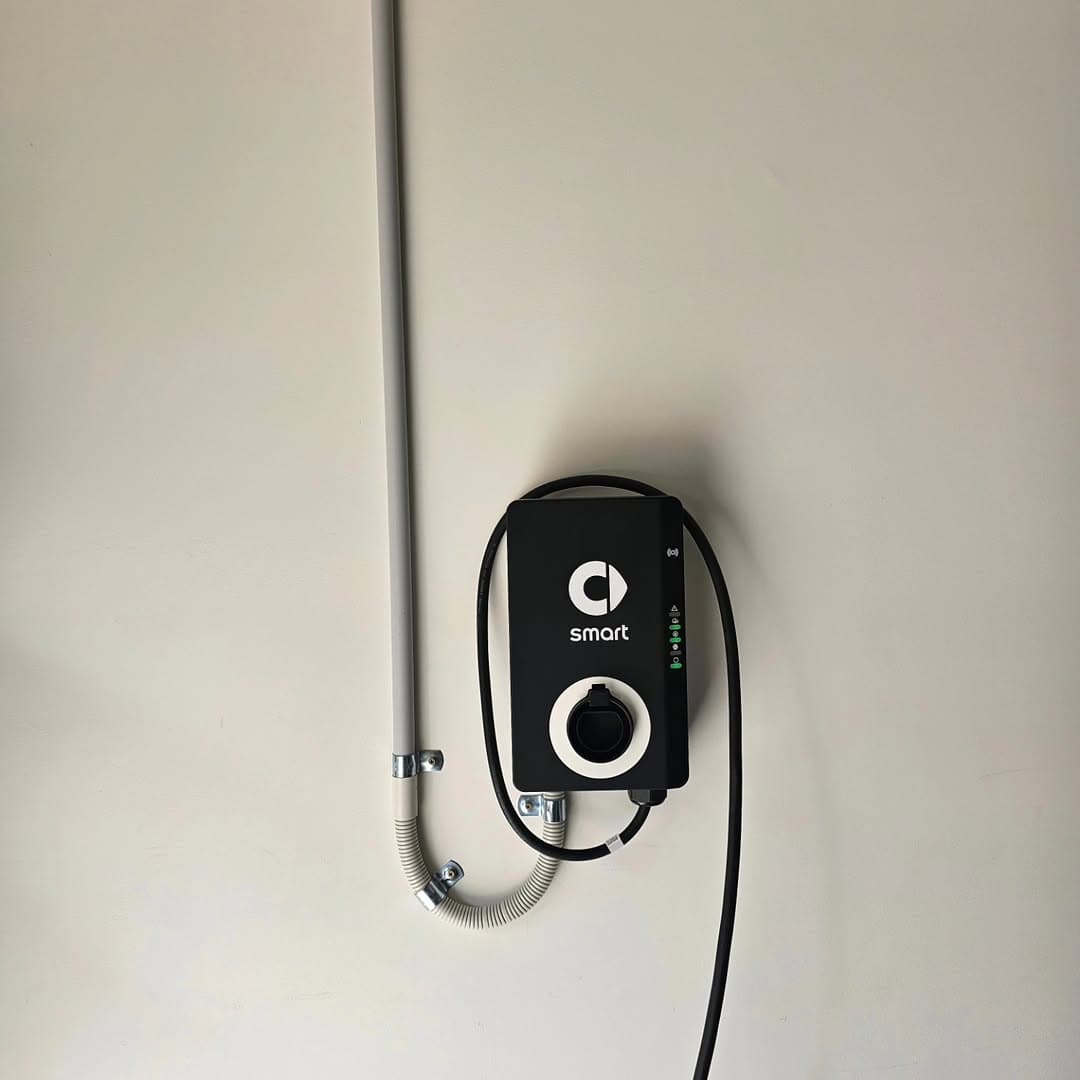
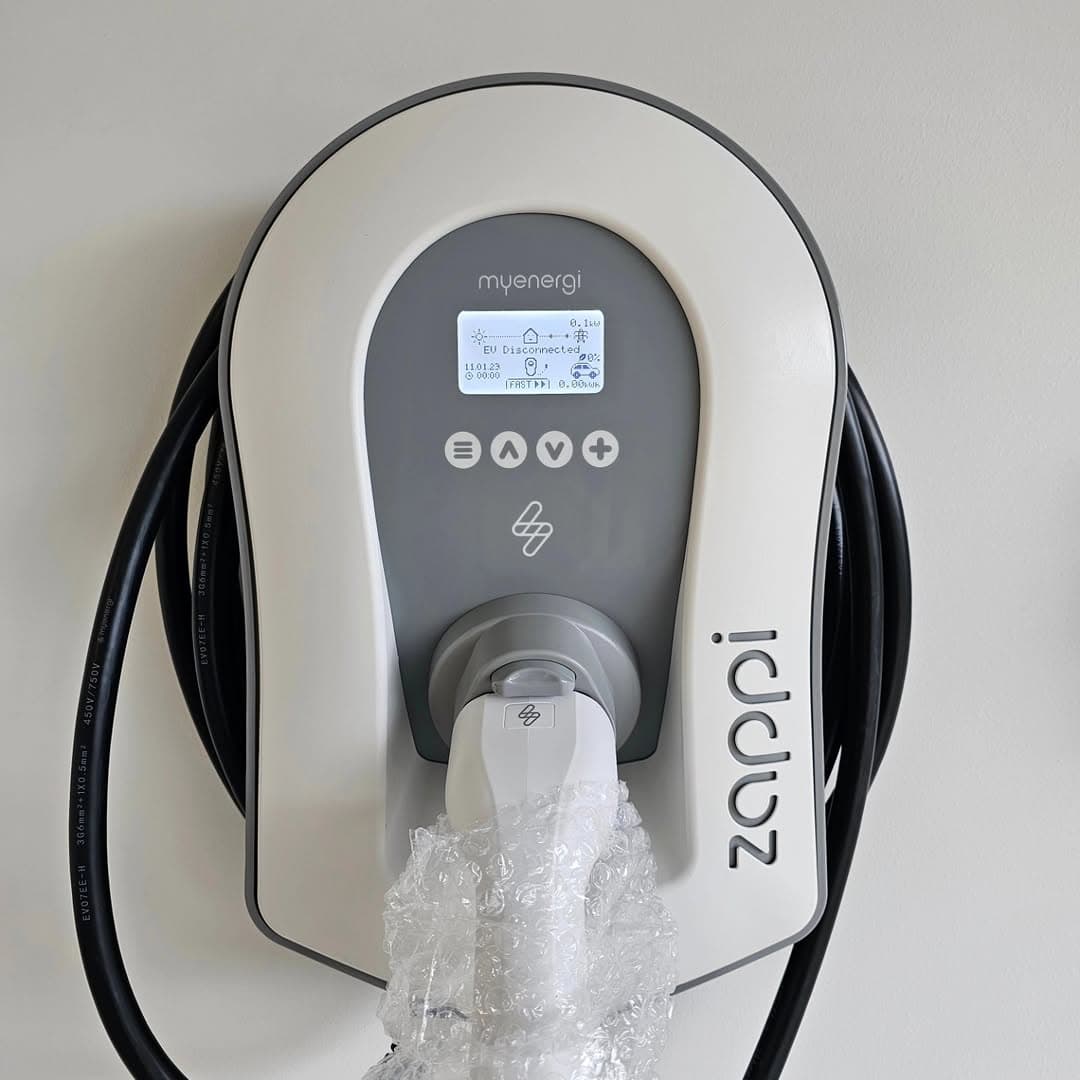
Tesla, Zappi, Wallbox, SolarEdge and ChargePoint units don't all install the same way.
- —Protective devices and supply
- —Conductor sizing and RCD type
- —Metering, monitoring and communications
- —Mounting, commissioning and configuration
Manufacturer instructions can specify requirements that differ between brands and even between models. We check the requirements for the charger actually being installed rather than assuming every charger is wired the same way.
We follow the requirements of your charger — not how another brand was done.